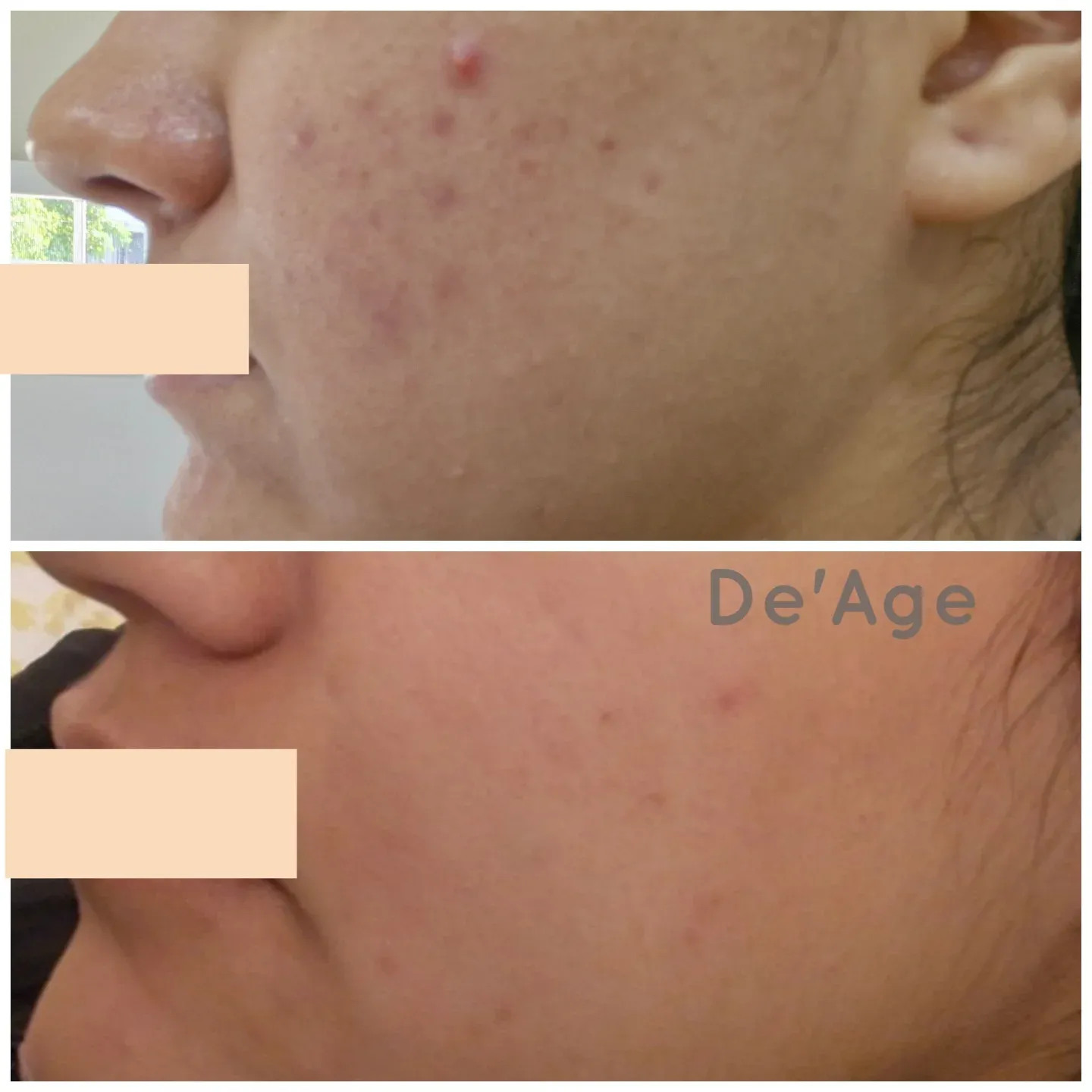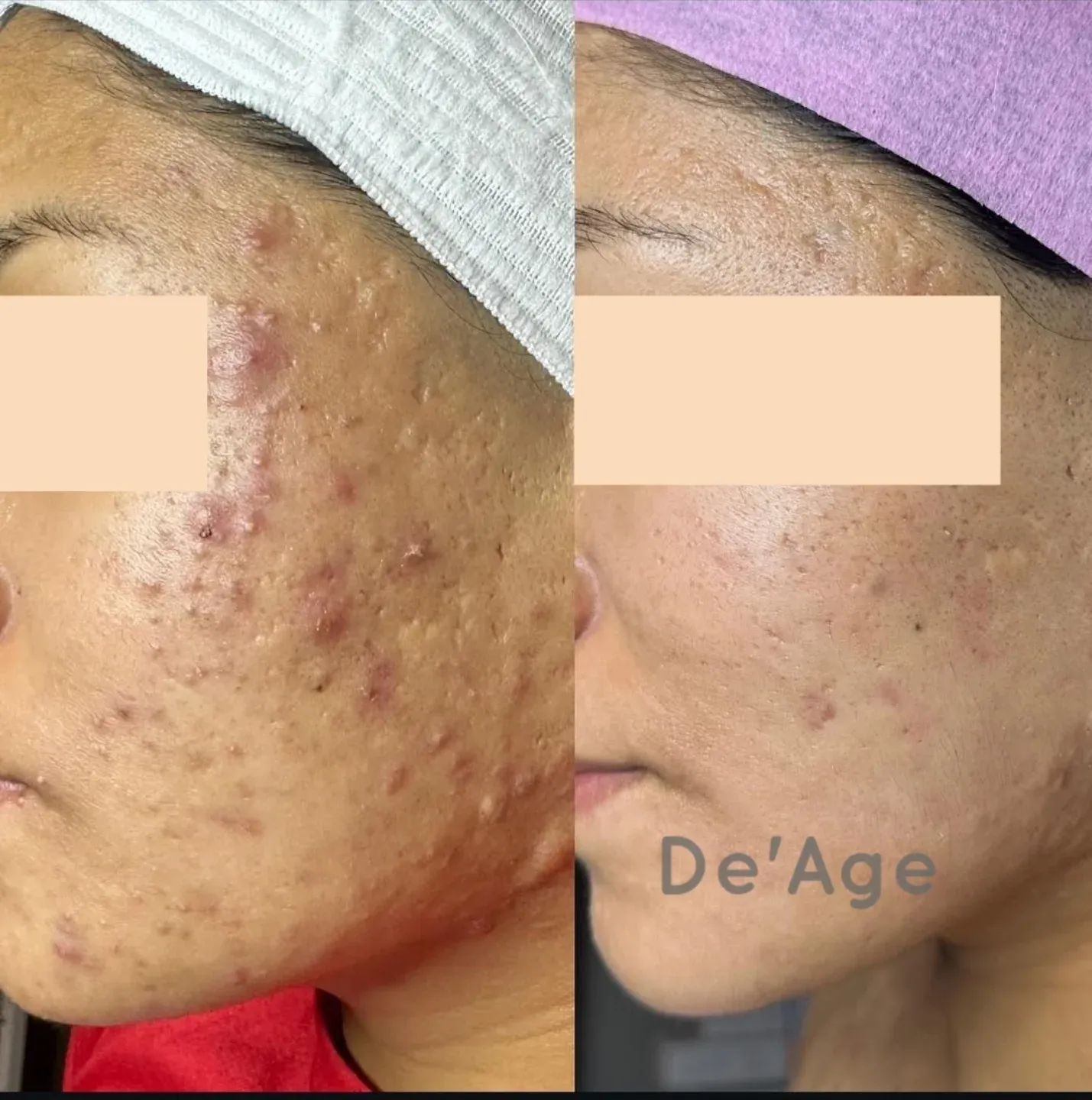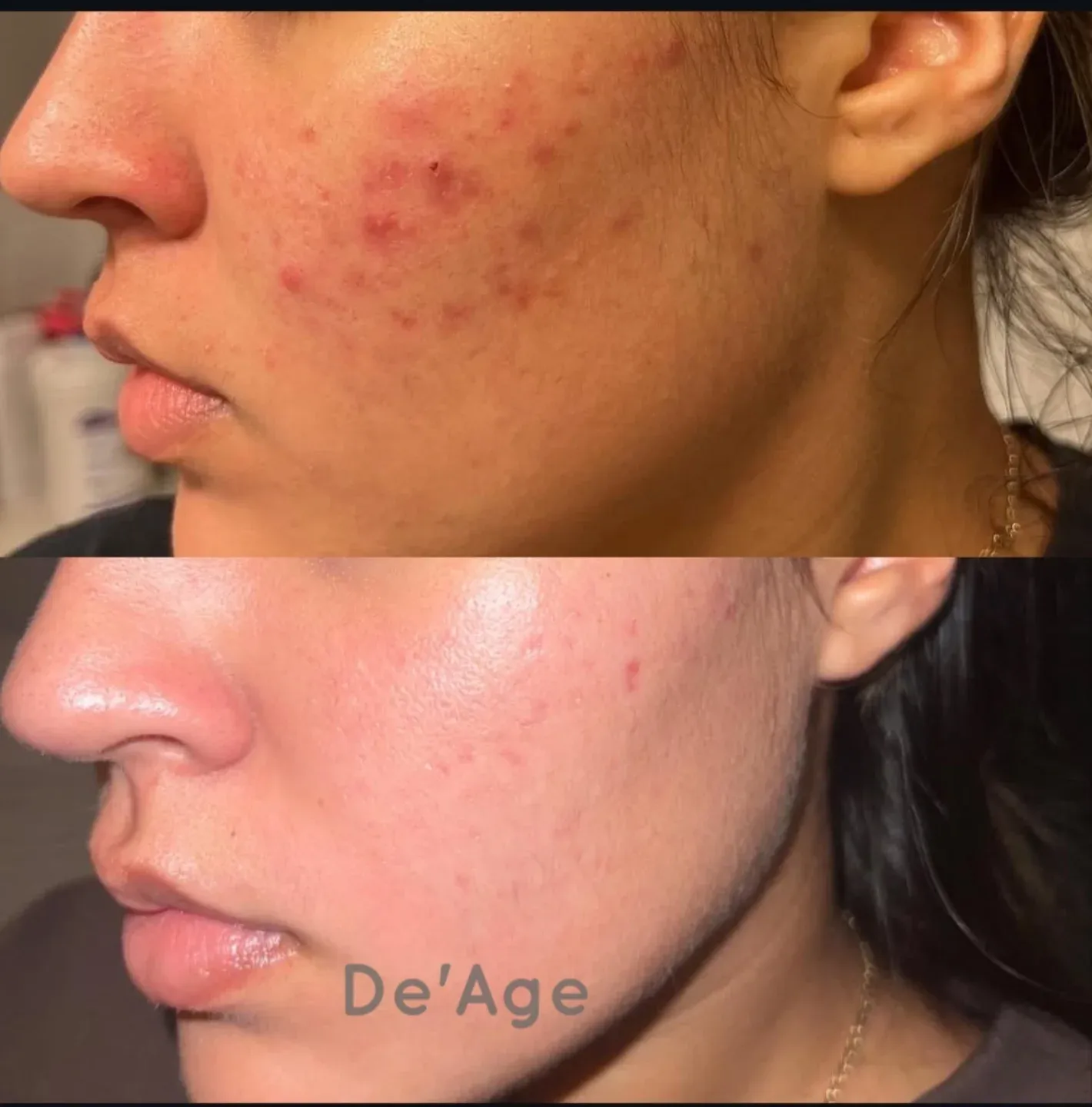

Melasma is a common skin condition that causes dark patches on the face, especially on the cheeks, forehead, upper lip, and chin. It is often triggered by sun exposure, hormonal changes, and genetics, making it a stubborn and recurring pigmentation concern. At De’Age Clinic Pune, we offer advanced melasma treatment solutions designed to reduce pigmentation, restore even skin tone, and give you radiant, healthy skin.
Melasma is a form of hyperpigmentation where excess melanin production leads to brown or greyish patches on the skin. It is more common in individuals with Indian skin tones and tends to worsen with sun exposure and heat.
Melasma can develop due to multiple internal and external factors, including:
Excess sun exposure (UV & visible light)
Hormonal changes (pregnancy, PCOS, birth control pills)
Genetic predisposition
Stress and lifestyle factors
Heat and environmental damage
Sun exposure is one of the biggest triggers, as it increases melanin production and darkens existing patches.
At De’Age Clinic, we combine medical expertise with the latest dermatological technologies to deliver safe and effective pigmentation reduction treatments.
We use dermatologist-prescribed creams that help reduce pigmentation and control melanin production, including:
Skin-lightening agents (like hydroquinone alternatives)
Azelaic acid & kojic acid formulations
Retinoids for skin renewal
These treatments work by reducing melanin formation and improving skin texture over time.
Customized chemical peels help exfoliate damaged skin layers and reduce pigmentation.
Glycolic acid peels
Mandelic & lactic peels
Pigmentation control peels
They remove the outer layer of skin, improving tone and clarity.
For deeper or stubborn melasma, we offer:
Laser toning treatments
Light-based pigmentation therapies
Combination skin rejuvenation procedures
These treatments target melanin deposits and improve skin brightness effectively.
To maintain long-term results, we provide:
Medical facials
Antioxidant therapies
Customized skincare routines
Melasma requires consistent care, and results improve gradually with professional treatment and sun protection.